

Essential Features of the Hindu Marriage Ceremony - Vedic Wedding
For Hindus there are sixteen Sanskaras(sacraments) that need to be performed in order to make the individual noble and prosperous. The Sanskaras aim to make the mind, intellect and soul pure. The most important of these Sankaras is marriage. It is a ceremony whereby two individuals are brought into union spiritually, mentally and physically in the sacred bond of matrimony. Marriage enables individual to find their partners in life.
The institution of marriage is essential for procreation and the continuation of the human race. The characteristic traits of the two individual are thereby transmitted to their progeny. Marriage enables the human being to enjoy the pleasures of life in a morally and socially acceptable manner.
The main aspects of the Hindu ceremony are:
- MADHU-PARKA (Receiving of the Bridegroom)
The bridegroom together with his party is welcomed by the bride on arrival. The bride offers the bridegroom a seat, water to drink, curd and honey to eat.
- KANYA GRAHAN (Receiving the Bride)
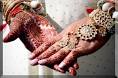
The right hand of the bride is place on that of the bridegroom and having accepted each other, they undergo the marriage ceremony. The bridegroom and the bride exchange gifts.
- YAJYA or HAVAN (Lighting of the Sacred Fire)
The bride and groom perform the havan to commence the marriage ceremony. Ghee and samagri (sweet-smelling ingredients) are offered into the sacred fire with the chanting of mantras (sacred verses). The sacred fire symbolises the destruction of darkness and the spread of the light of knowledge. With the mantras the couple commit themselves to a wholesome married life.
- PANI-GRAHAN and PRATIJYA (Taking of the Sacred Vows)
The groom clasps the right hand of the bride and then the couple take the following sacred vows:
MARRIAGE VOWS
- We accept each other’s hand in marriage for our mutual well-being and prosperity. Our elders have entrusted us to each other. We promise to honour their faith in us.
- From now on, having solemnly declared ourselves husband and wife, may we fulfil all our household obligations.
- Let there be none dearer to us than each other. May we, enjoying matrimonial bliss, live a hundred autumns and more.
- Living in harmony with the elements, the sun and the wind, the earth and the waters, as declared by the great Saints and Sages, may we take care of each other’s needs.
- Abounding with nature’s bounties, may our house be blessed with good fortune. May we be blessed with healthy children.
- We promise to love and be kind to each other. We will always remain faithful and loyal. May our marriage always be tempered with love and justice. May we never do anything to harm each other.
- We accept each other’s hand in marriage for our mutual well-being and prosperity. Our elders have entrusted us to each other. We promise to honour their faith in us.
- SHILAROHANA (Stepping on the Stone)
The bride and groom place their right foot on a piece of rock. The bride and bridegroom promise to remain true to each other. Just as the rock weathers the storms and still stands firm, so will the bond of marriage brave the tribulations of life.
- LAJA HOMA (Offering parched rice into the sacred fire)
Parched rice is put into the sacred fire by the bride and bridegroom for mutual long life, health and prosperity.
- MANGAL PARIKRAMA (Encircling the sacred fire)
The bride and bridegroom in this part of the ceremony go round the sacred fire four times dedicating themselves each time to the observance of the sacred vows.
- SAPTA-PADI (Taking of Seven Steps)
With the knot tying the clothing of the bride and the bridegroom to indicate fusion of two hearts and the union of two different families, the bride and the bridegroom take seven steps symbolising entry into married life.
As they take each step the invoke the blessings of God for:- Food and Nourishment
- Strength
- Prosperity
- Knowledge and Happiness
- Favourable Seasons
- JAL SINCHAN and SURYA DARSHAN (Sprinkling of water; meditation on the Sun)
Water is sprinkled on the couple for peace and calmness. The bride and the bridegroom meditate on the sun and pray for a long happy life.
- PURNAHUTI and ASIRVAD (Completion of Havan; Blessings)
The marriage ceremony is completed with the final offering of ghee and samagri into the sacred fire. Thereafter the bride and bridegroom are showered with blessings for a successful married life.
The Hindu marriage ceremony has to be performed with sincerity and in a spiritual atmosphere. Marriage is regarded as union of two beings committed to a spiritual evolution. The bride and the bridegroom should no longer think of themselves as two independent beings but rather as an integrated unit joined by the firm resolve to supplement and compliment each other in every aspect of life.
GRISHASTHA ASHARAMA
Hindu Dharma divides the lifespan of a person, based on life expectancy of 100 years, into four stages. The first is childhood and youth (first 25 years), then the life of the householder (25-50 years) which is followed by partial retirement and renunciation (50-75 years) and finally a total severing of links with family, material attachments and possessions.
Upon completion of schooling and the acquisition of appropriate skills the individual is able to earn a living without transgressing the norms of Dharma (truth and justice). Therefore the four objectives of life, Dharma, Artha, Kama and Moksha are given a specific priority, i.e. an individual earns his/her wealth (Artha) and fulfilles his/her personal desire (Kama) on the basis Dharma. During marriage, where the youth chooses a partner and establishes a home, life becomes governed by a discipline and code of ethics prescribed for the householder. This is in keeping with Vaidik Samajvad – (Vedic School Conduct).
Therefore every couple should take seriously the marriage ceremony so that they can fully understand the commitment they make. The marriage ceremony, the various rites and vows, encapsulate all the morals, family and societal values that the husband and wife have to live up to and protect. It is very important that a properly qualified priest be engaged to perform the wedding ceremony so that the ceremony is done with dignity and proper significance explained.
Providing the basic needs for a home and family, mutual love between the spouses, respect for each other, the vow not to abuse each other in any way – these are the pledges that the married couple make during the wedding ceremony. Their promises mark the entry into the stage of household life and include the premeditated decision to have a child.
We also generally observe a Katha the day before the wedding. It is important that such a Katha incorporate a message which stresses the importance of the marriage ceremony and its implications for the married couple. By entering the portals of marriage the couple become the pillars on which is built the institutions of society.
It’s the responsibility of every couple to make sure that the child’s need are catered for, that the child receives a good wholesome education and that the child is never subject to any abuse or discrimination. The rights of and respect for married individuals and children are inviolable rights which we must respect if society has to remain cultured and civilised.
The love, respect and sharing extend beyond the immediate family to parents and elders, neighbours and friends, animals and plants. There is little need to explain the need for harmony with nature for us to enjoy a peaceful and pollution free, healthy life.
It is during this stage of life that the individual earns in order to provide for the home and family. It is from the wealth generated by the householder that, besides the family and home, the government gets its revenue, cultural and educational institutions get their donations, the elders are supported and care for the aged is maintained. In short almost all of society depends on the householder for its sustenance.